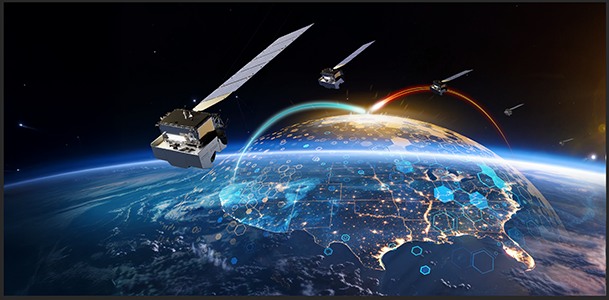
Space-based capabilities are critical to enabling a missile shield for America
To keep our homeland safe, we need a new approach to missile defense.

To keep our homeland safe, we need a new approach to missile defense.

L3Harris is answering the Department of Defense’s call for strengthened competition, safeguarding a future for the nation and democracy worldwide.

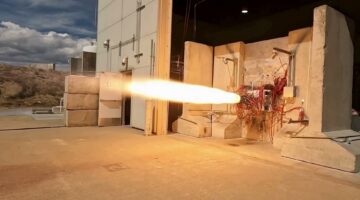
Demand signals from leadership are shaping investments in design, engineering and manufacturing.
Despite L3Harris's investments in its Aerojet Rocketdyne subsidiary, "we are still struggling to get everything we need as a builder," said Tim Cahill, Lockheed's vice president of its missiles and fire control business.
“To the extent we can get a good price for what we've identified as non-core [businesses], we'll do it. But too many of the offers are coming in low and people think we're desperate to sell, and I can assure you we're not,” said L3Harris CEO Chris Kubasik.

The Missile Defense Agency recently accelerated plans to pick a winning vendor, a decision previously planned for next year.
The sale could help L3Harris pay down debt and focus as a defense supplier.


New kits turn Black Hawks into attack Hawks in just three hours.
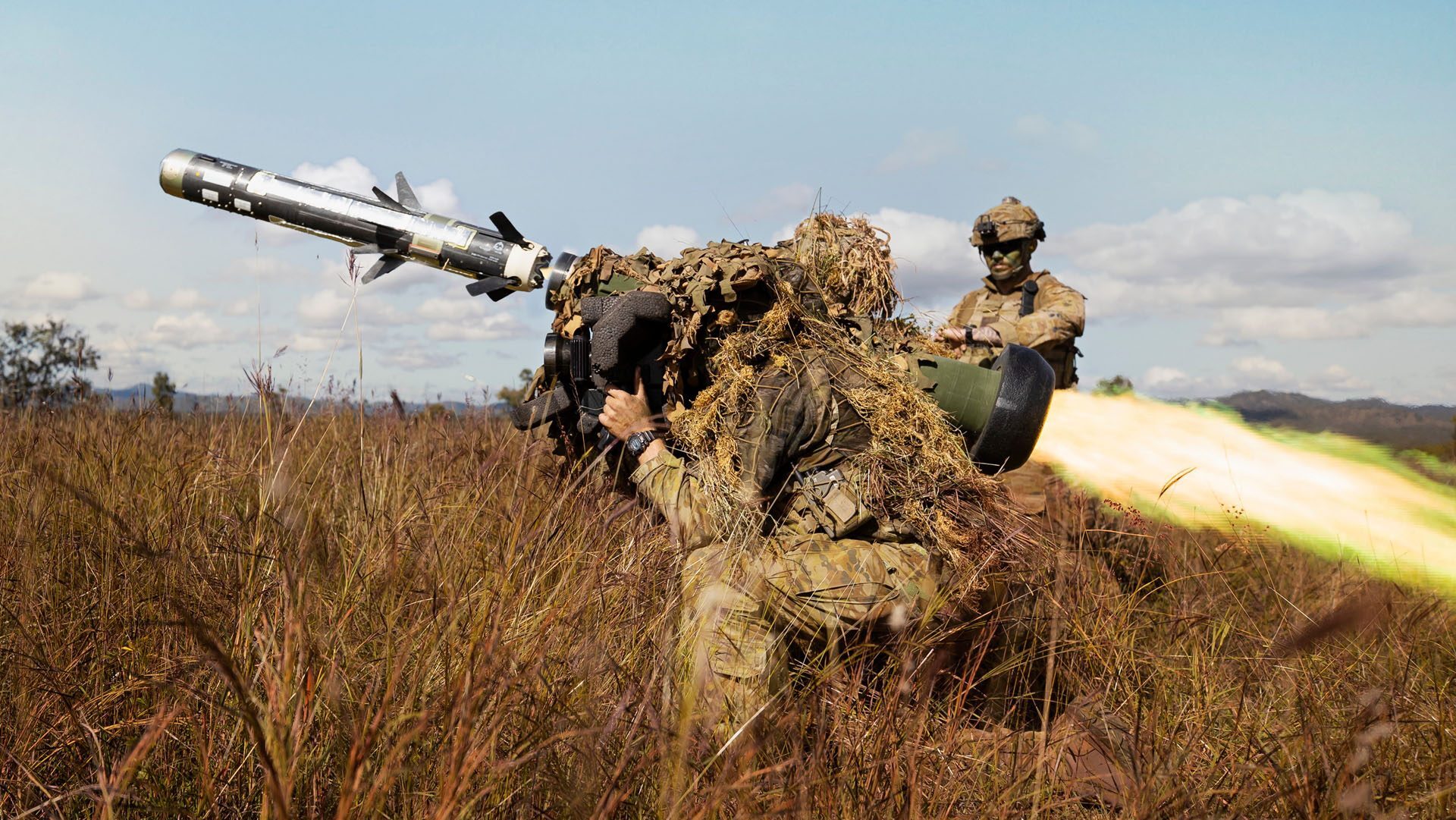
DoD officials and outside experts have been wringing their hands for the past year over the state of the US supply chain for solid rocket motor technology, as stocks of munitions and missile systems reliant on SRMs — such as the Army's Javelin shoulder-mounted anti-tank weapon, Guided Multiple Launch Rocket System (GMLRS), and Stinger missiles — have been depleted by sales to Kiev.
The new partnership aims to stand up a “multi-user rocket motor facility” in Australia that can meet needs for munitions and space launch.
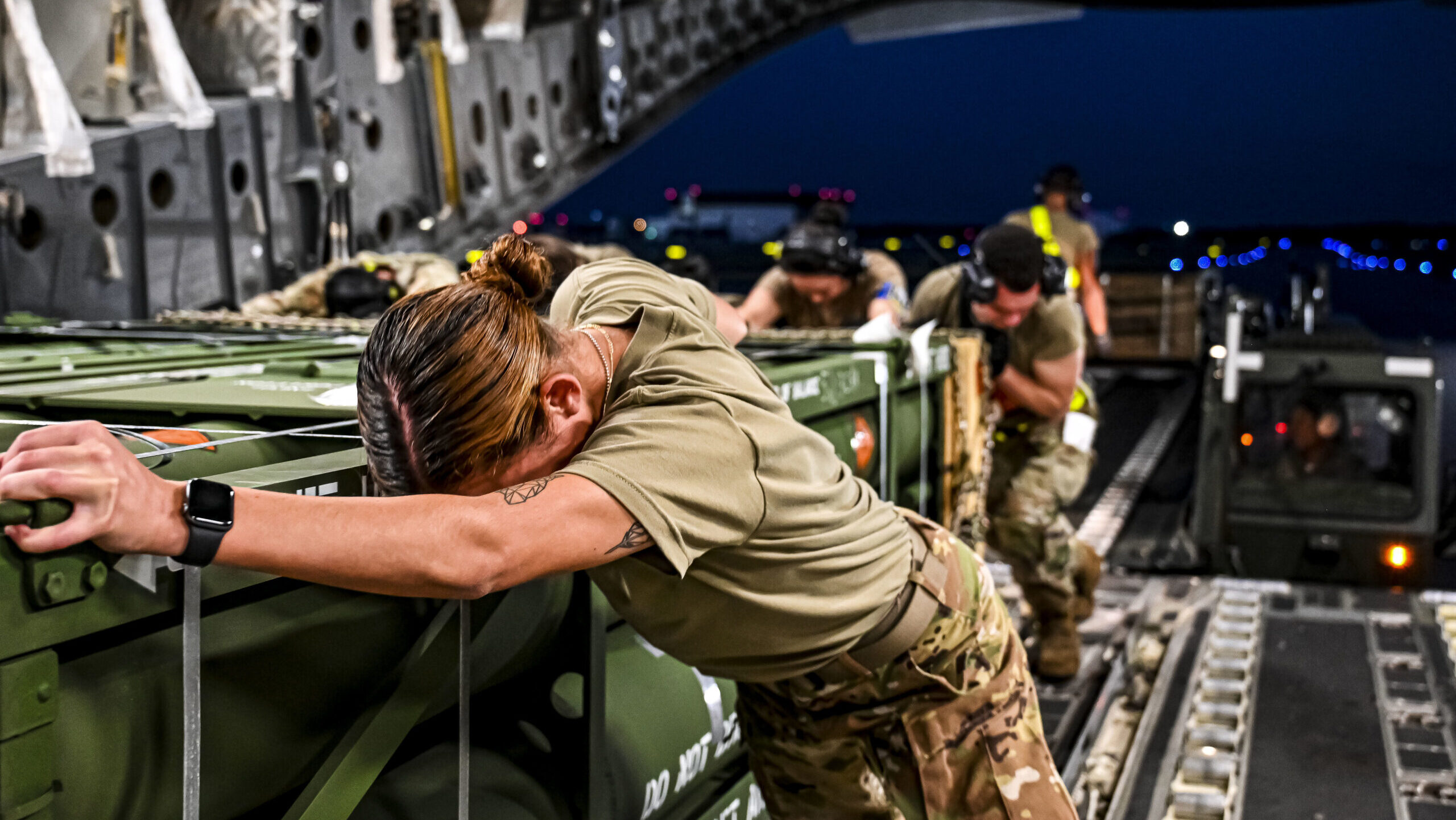
"This is a broad and in a way campaign-like approach to strengthening our own supply chain and enabling multiple sources, really for even beyond our company for our industry, which I think is important," Lockheed Martin CEO Jim Taiclet said of his firm's endeavor to field a new solid rocket motor supplier.

Increased partnership and engagement from across government and industry is needed to drive integrated deterrence forward.

Architecture that linked sensors, C2, RF effects, and lasers into a distributed c-UAS kill chain.

After failed bid to buy Aerojet Rocketdyne, Lockheed is “endeavoring... to create another supplier,” CEO Jim Taiclet told lawmakers.

“I really see this as a fantastic opportunity to really rejuvenate [Aerojet] and nurture it to become the company we are confident it will become,” Ross Niebergall, the newly installed head of Aerojet, told Breaking Defense.
Aerojet will now become a fourth business unit within L3Harris in a deal previously estimated at $4.7 billion.
"We were advised today that the FTC will not block our acquisition of Aerojet Rocketdyne; therefore, we are moving forward to close the transaction on or about July 28," wrote L3Harris CEO Chris Kubasik in a note to investors.